Beaumont, TX & Southeast Texas
Sewer Camera Inspection in Beaumont, TX
Porter's Plumbing Solutions runs sewer camera inspections in Beaumont, TX, showing root intrusion, bellies, and pipe material before any repair starts.
Sewer Camera Inspection Services in Beaumont, TX
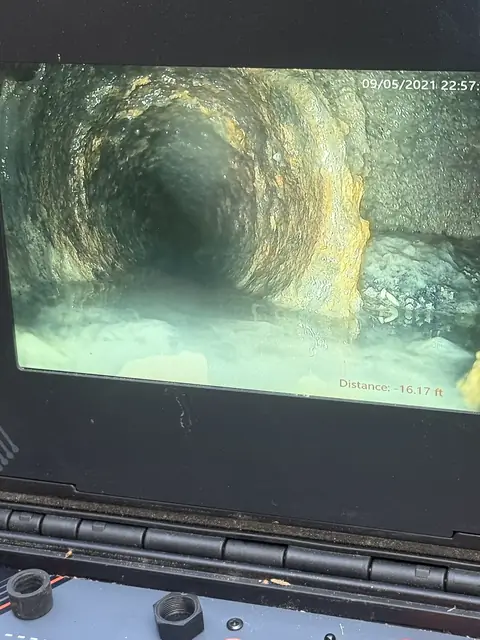
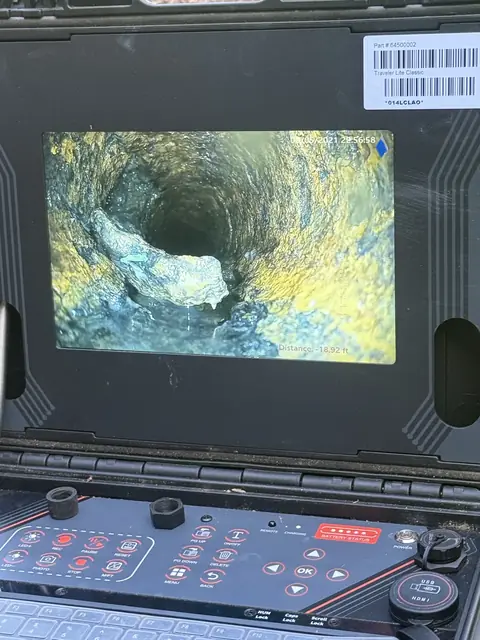
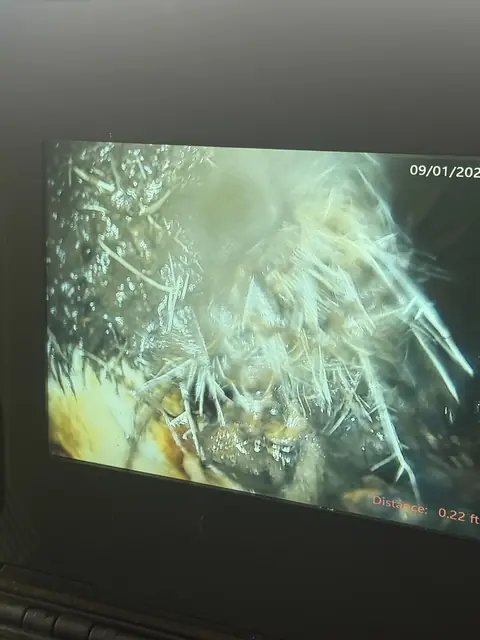
Beaumont is the largest market Porter's Plumbing Solutions works, and it's also where the most homes change hands every year, which makes a sewer camera inspection one of the more useful calls we get. The camera itself doesn't fix anything. It gives a homeowner or a buyer a direct look at what a section of pipe under a Beaumont yard or slab actually looks like, instead of guessing from symptoms alone. We run inspections across Jefferson County for recurring clogs, before a home purchase closes, after a backup nobody wants to see twice, and to settle whether a fault sits on a homeowner's private line or the city's main. On screen, the differences are obvious once you know what you're looking at. Root intrusion shows up as a mass of fine roots pushing in through a joint or a hairline crack, thickest where two sections of an older clay or cast iron line meet. A belly, a stretch of pipe that's lost its downward slope, shows up as standing water sitting in the frame instead of draining past the lens. An offset joint reads as a visible step where one section of pipe doesn't line up with the next, a crack looks different from a full collapse, and scale narrows the usable diameter of the pipe toward the center of the frame. Reading which of those we're looking at, and whether the line is clay tile, cast iron, or PVC, tells us more in five minutes than a description of symptoms tells us in twenty. Porter's has run camera inspections across Jefferson County and the wider Golden Triangle since 2022, and the master plumbers doing that work, licensed through the TSBPE, bring 25 years in the trade to reading what the footage shows, work that regularly touches Spindletop-era neighborhoods near the Neches River where clay tile and cast iron pipe are still common underground. We record every job as we go, so what a homeowner or a buyer sees afterward is the exact footage from the inspection, not a secondhand description of it.
What Root Intrusion, a Belly, and a Collapsed Joint Actually Look Like
A camera doesn't just confirm that a line is blocked, it tells us which of several different problems is actually causing that block, and each one reads differently on screen. Root intrusion is unmistakable, a web of fine roots pushing in through a joint that's separated even slightly, thickest at the point of entry and thinner further along the pipe. A belly is quieter: instead of an obstruction, the camera shows a length of pipe holding standing water because gravity has stopped doing its job in that section, usually from soil settlement under Gulf Coast clay that's shifted over years of wet and dry cycling. A crack is a hairline break in the pipe wall. A collapse is the wall itself failing inward, closing the line partially or completely. An offset joint sits between those two, a step where one section of pipe no longer lines up cleanly with the next. Knowing which one we're looking at is what keeps the next call from being a guess.
Buying an Older Home Near Downtown Beaumont or Lamar University
Beaumont has more pre-1960s housing stock than most of its neighbors, and a lot of it sits in neighborhoods near downtown and around Lamar University where rental turnover is high and original clay or cast iron sewer lines were never touched by the standard home inspection a buyer pays for. A camera inspection before closing shows exactly what condition that line is in, root intrusion, a belly, an aging joint that's holding for now but won't indefinitely, and gives a buyer real information to negotiate with or walk away from rather than finding out the hard way in the first year of ownership. It's just as useful the other direction. A seller who has the line inspected, and addressed if needed, before listing avoids a repair becoming a closing-table negotiation.
Locating and Marking Depth Before Anyone Breaks Ground
Once the camera shows us a problem, a transmitter built into the equipment lets us walk the surface above it with a locator wand and mark the exact location and depth of whatever we found. That matters everywhere, but it matters more in Beaumont's older sections, where a driveway, a mature tree, or original brickwork sits over the line and nobody wants a section of it opened up unnecessarily. Depth marking turns a repair into a targeted dig at one point instead of trenching an entire yard to find a problem the camera already located precisely.
What the Footage Decides: Jetting, Repair, or Just Watching It
Not every inspection ends in a repair call. A line that's clean or shows scale buildup without structural damage is often a jetting candidate, since jetting clears the interior wall of a pipe that's still sound. A line with a cracked joint, a genuine belly, or root intrusion that's breached the pipe itself is a repair or replacement question instead, and whether that's a spot repair or something larger depends on how much of the line the camera shows is affected. The inspection also settles a question that matters in Jefferson County as much as anywhere: whether a fault sits on the homeowner's private lateral or on the city's main, which determines who's actually responsible for fixing it.
Need Sewer Camera Inspection in Beaumont?
Get a free estimate. Call (409) 217-9371 or request a quote online.
Other Services in Beaumont, TX
Recent Sewer Camera Inspection Work
Jobs from across our Southeast Texas service area.
Explore Related Services
Sewer Camera Inspection FAQ — Beaumont
Should I have a camera inspection done before buying an older Beaumont home?
How do you decide whether we need jetting or an actual repair?
Can you tell if a sewer problem is on my property or the city's responsibility?
Do you give us the footage afterward?
Dwayne Porter, Owner
Porter's Plumbing Solutions · Est. 2022
Updated October 2026
Ready to Get Started?
Get a free, no-obligation estimate for your project.